


Rubber products used in Oil & Gas industry in Qatar
The oil and gas industry in Qatar operates in some of the most demanding industrial environments, where equipment is constantly exposed to high pressure, aggressive chemicals, extreme temperatures, and continuous mechanical stress. Ensuring operational reliability in such conditions requires materials that can deliver both durability and performance.
Industrial rubber products play a critical role in meeting these requirements. From sealing systems to corrosion protection and material handling, rubber components are widely used to enhance efficiency, safety, and equipment lifespan across oil and gas operations.
This article explores the key rubber products used in the oil and gas industry in Qatar, along with their applications and benefits.
Why Rubber Is Essential in Oil & Gas
Rubber materials are extensively used in oil and gas operations due to their ability to:
- Provide effective sealing under pressure
- Resist chemical exposure and corrosion
- Absorb vibration and mechanical stress
- Maintain flexibility under varying temperatures
These properties make rubber an indispensable material in both upstream and downstream operations.
Key Industrial Rubber Products Used in Oil & Gas
1. Rubber Lining for Corrosion Protection
Rubber lining is one of the most critical applications in the oil and gas sector. It is used to protect the internal surfaces of tanks, pipelines, and processing equipment from corrosion and chemical damage.
By acting as a protective barrier, rubber lining significantly reduces the risk of structural deterioration and extends the operational life of equipment.
2. Rubber Gaskets and Sealing Components
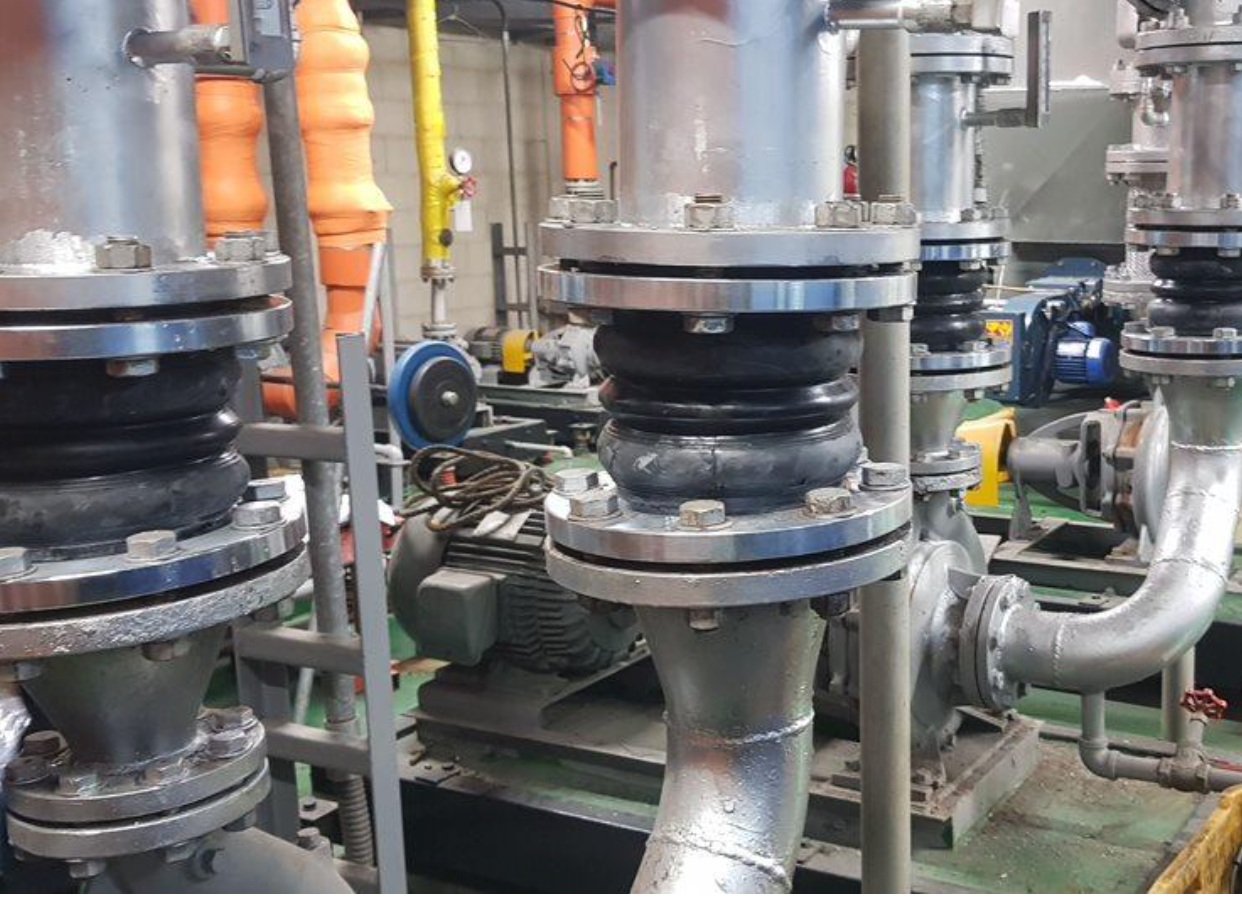
Rubber gaskets are essential for maintaining leak-proof connections in pipelines, valves, and industrial machinery. These components ensure that fluids and gases are contained securely, even under high-pressure conditions.
High-quality gaskets contribute directly to operational safety and system efficiency.
3. Industrial Rubber Sheets for Protection and Insulation
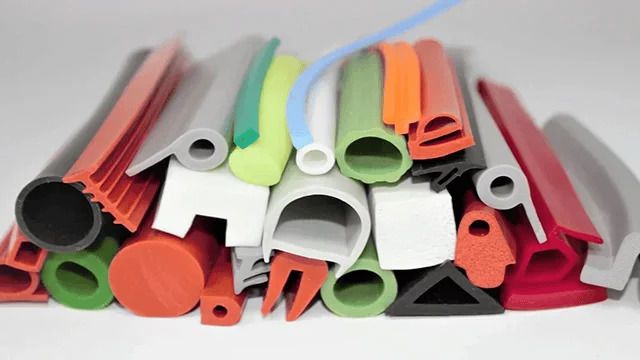
Rubber sheets are widely used for insulation, sealing, and protective applications in oil and gas facilities. Depending on the material composition, they can offer resistance to oil, chemicals, and extreme temperatures.
They are commonly used in equipment lining, gasket fabrication, and surface protection.
4. Conveyor Belts and Material Handling Systems
Efficient material handling is essential in oil and gas operations, particularly in processing and logistics environments. Rubber conveyor belts provide durability and reliability in transporting materials across different stages of operation.
Their resistance to abrasion and heavy loads ensures long-term performance.
5. Polyurethane Components for High-Performance Applications
In addition to traditional rubber, polyurethane is widely used in oil and gas applications that require higher load capacity and abrasion resistance. Polyurethane components are particularly effective in high-wear environments where durability is critical.
These materials are commonly used in rollers, machine parts, and heavy-duty industrial systems.
Applications Across Oil & Gas Operations
Rubber products are used throughout different stages of oil and gas operations in Qatar.
Upstream Operations
Rubber components are used in drilling equipment, sealing systems, and chemical handling processes where reliability is essential.
Midstream Operations
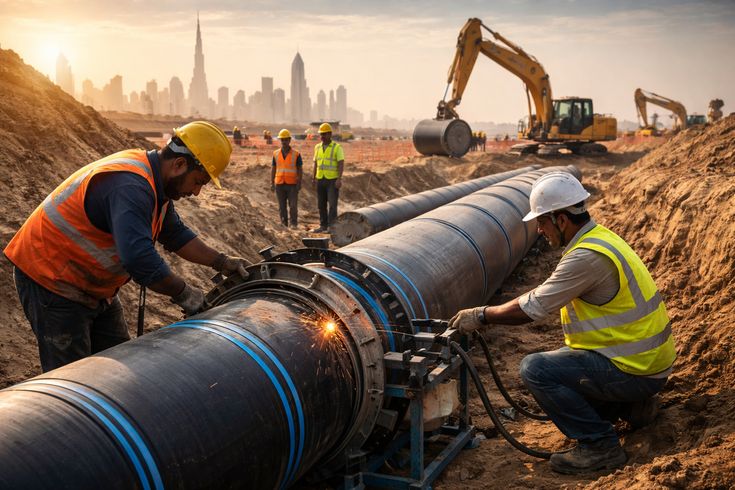
Pipelines and transportation systems rely on rubber lining and sealing solutions to ensure safe and efficient movement of materials.
Downstream Operations
Refining and processing facilities use rubber products for equipment protection, sealing, and material handling.
Key Benefits of Rubber Products in Oil & Gas
Corrosion Resistance
Rubber lining and sheets protect metal surfaces from chemical reactions and environmental damage.
Leak Prevention
High-quality gaskets and seals ensure secure connections and prevent leakage.
Operational Efficiency
Rubber components reduce wear and tear, improving overall system performance.
Cost Optimization
Durable materials reduce maintenance requirements and extend equipment lifespan.
Enhanced Safety
Reliable sealing and protection minimize risks associated with leaks and equipment failure.
Selecting the Right Rubber Products for Oil & Gas Applications
Choosing the right rubber solution depends on several factors, including:
- Type of chemicals involved
- Operating temperature and pressure
- Environmental conditions
- Specific application requirements
Working with an experienced manufacturer ensures that the materials and products are suited to the operational environment.
Frequently Asked Questions
What types of rubber are used in the oil and gas industry?
Common materials include EPDM, neoprene, nitrile (NBR), and silicone, each selected based on specific resistance requirements.
Why is rubber lining important in oil and gas?
Rubber lining protects equipment from corrosion, extends lifespan, and reduces maintenance costs.
Where are rubber gaskets used?
Rubber gaskets are used in pipelines, valves, and machinery to ensure leak-proof sealing.
Are polyurethane products used in oil and gas applications?
Yes, polyurethane is used in high-performance applications where abrasion resistance and load capacity are critical.
Conclusion
Industrial rubber products are essential to the safe and efficient operation of the oil and gas industry in Qatar. From corrosion-resistant lining systems to precision sealing components and high-performance polyurethane solutions, these materials support every stage of industrial activity.
As the sector continues to expand, the demand for high-quality rubber products will remain a key factor in ensuring operational reliability, safety, and long-term performance.