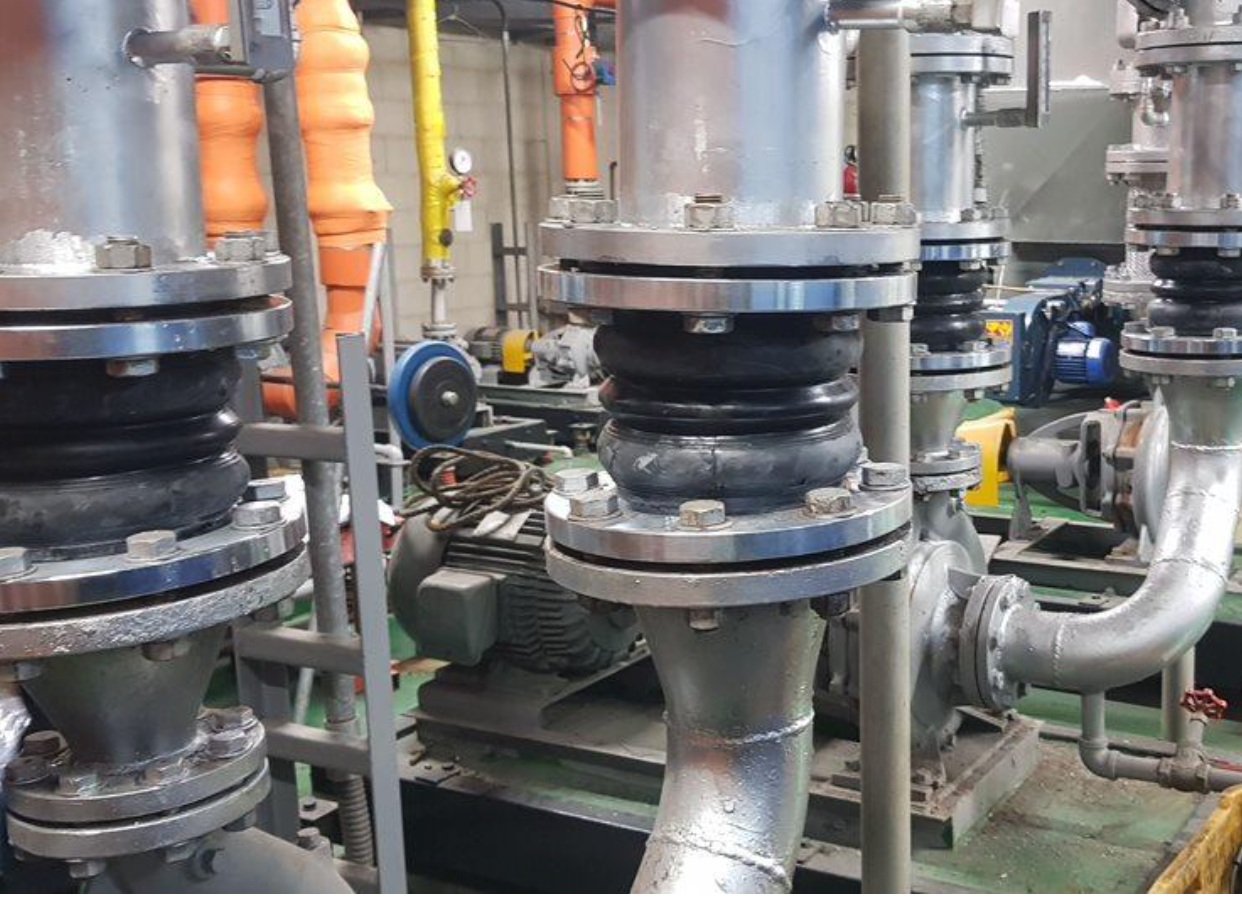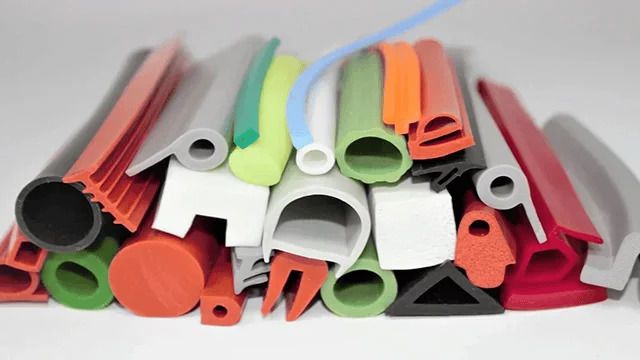


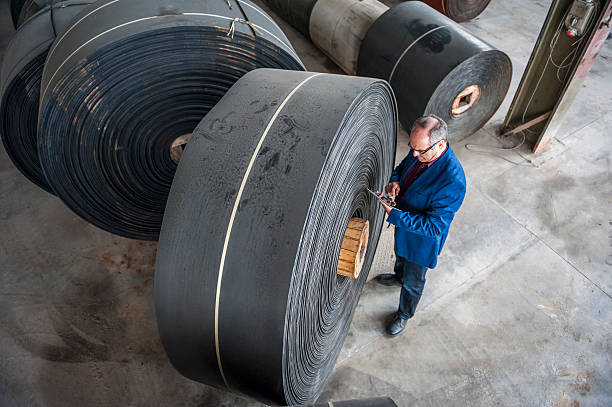

Industrial rubber components play a vital role in machinery performance, sealing systems, vibration control and fluid handling applications. But in places like Qatar, these parts often fail prematurely due to extreme environmental conditions. By understanding the causes of failures, industries can improve durability and increase operational efficiency and reduce long-term maintenance costs.
In high temperature and high UV environments, rubber materials are always under thermal stress, and the internal molecular structure is gradually weakened. This causes decreased elasticity, surface degradation and eventually cracking over time.
Demanding industrial operations, exposure to dust, contact with chemicals and constant mechanical loading further accelerate the wear and tear. These factors, combined with poor material selection and maintenance practices, dramatically reduce the service life of critical rubber parts.
Extreme Heat and Thermal Stress
One of the main reasons for early cracking is exposure to high heat for a long period of time. “Surface temperatures in Qatar can become extremely hot and rubber materials can expand and contract repeatedly.
This constant thermal cycling degrades the internal structure. Over time this leads to a loss of flexibility, brittleness and surface fractures.
UV Radiation Exposure
Strong sunlight and intense ultraviolet radiation accelerate the aging process of rubber compounds. UV rays break down polymer chains, making the material progressively brittle.
Once brittleness increases, small surface cracks begin to form and expand under mechanical stress.
Ozone and Oxidation Effects
Industrial environments combined with atmospheric ozone exposure can significantly damage rubber components. Oxidation reactions harden the material, reducing flexibility and increasing susceptibility to cracking under pressure.
Dust and Abrasive Particles
Fine dust particles commonly found in desert environments act as abrasive agents. When they settle on surfaces or enter moving assemblies, they create micro-abrasions.
Over time, these small damages develop into visible cracks and surface failure.
Chemical Exposure in Industrial Use
Many industrial systems involve exposure to oils, fuels, and chemical agents. If rubber components are not chemically resistant, they may swell, shrink, or degrade.
This chemical interaction weakens structural integrity and reduces overall service life.
Mechanical Stress and Overloading
Continuous vibration, pressure fluctuations, and improper installation can accelerate deterioration. When components operate beyond their design limits, internal stress buildup leads to premature cracking.
Material Quality and Selection
Not all rubber compounds are engineered for harsh climates. Poor-quality materials or incorrect compound selection significantly reduce performance in extreme environments like Qatar.
Using the correct formulation is essential for long-term reliability and operational stability.
Importance of Choosing the Right Supplier
Selecting the right source for industrial rubber components plays a crucial role in overall performance and lifespan. A reliable provider ensures proper material selection, quality control, and suitability for demanding environments.
Working with a trusted rubber manufacturer supplier ensures components are designed to withstand heat, UV exposure, dust, and chemical stress, resulting in improved durability and reduced maintenance requirements.
Conclusion
Early cracking in industrial rubber components in Qatar is primarily caused by environmental stress, chemical exposure, dust abrasion, mechanical overload, and improper material selection. Addressing these factors is essential for improving performance and reducing operational failures.
Partnering with a professional rubber manufacturer supplier ensures higher material quality, better engineering support, and longer service life of critical industrial components in extreme operating conditions.
FAQ
1. Why do rubber components fail faster in Qatar?
Due to extreme heat, UV radiation, dust exposure, and harsh industrial working conditions that accelerate material degradation.
2. Can chemicals damage rubber parts?
Yes, exposure to oils, fuels, and industrial chemicals can weaken rubber structure and reduce its lifespan.
3. How can early cracking be prevented?
By using high-quality materials, proper installation methods, and selecting components designed for harsh environments.
4. Does dust really affect rubber performance?
Yes, dust acts as an abrasive material that gradually causes surface damage and cracking.
5. What is the best solution for long-lasting rubber components?
Using properly engineered materials from a trusted supplier and following regular maintenance practices.