
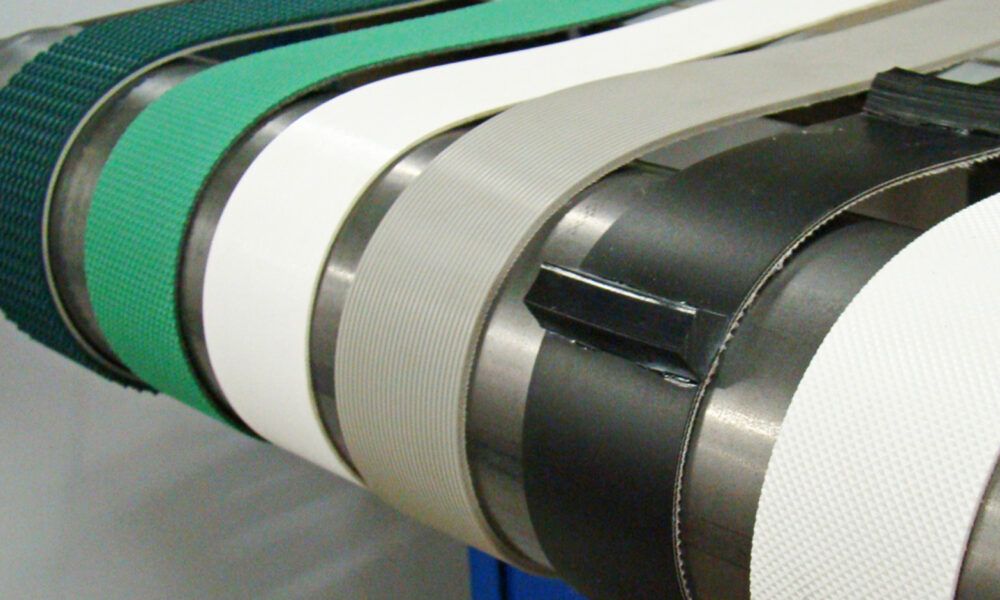
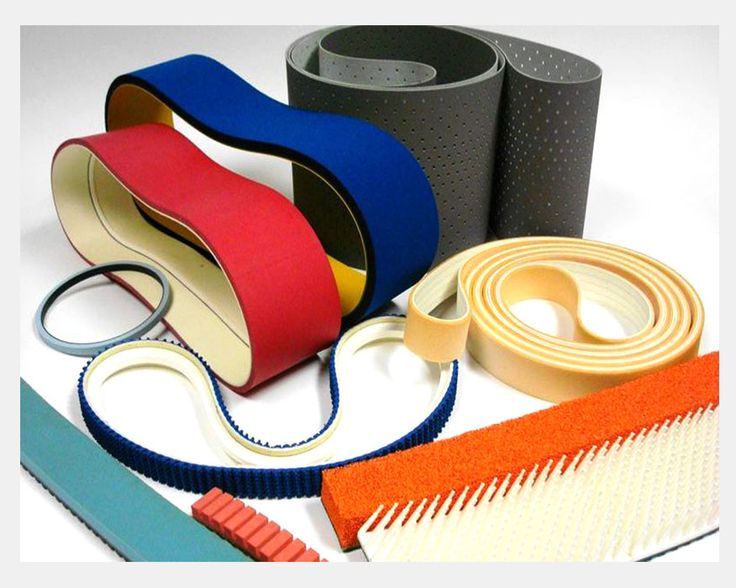
Industrial conveyor belts play an important role in material handling and production operations. They are widely used in manufacturing, construction, mining, logistics, petroleum, and other industrial environments where materials need to be transported efficiently.
Because conveyor belts operate continuously under load, heat, friction, dust, and other demanding conditions, regular maintenance is essential. Proper maintenance can help reduce unexpected breakdowns, improve operational efficiency, and extend the service life of conveyor belt systems.
For businesses looking for reliable industrial rubber conveyor belts in Qatar, understanding proper maintenance practices is an important part of protecting equipment and reducing downtime.
Why Conveyor Belt Maintenance Is Important
A conveyor belt that is not properly maintained can develop cracks, tears, misalignment, excessive wear, or other problems. Small issues can eventually become major failures and lead to production interruptions.
Regular maintenance helps businesses:
- Reduce unexpected equipment breakdowns
- Extend conveyor belt service life
- Improve material handling efficiency
- Reduce maintenance costs
- Identify problems at an early stage
- Improve workplace safety
- Maintain consistent production performance
Common Problems with Industrial Rubber Conveyor Belts
Several problems can affect the performance of conveyor belts, especially in heavy-duty industrial environments.
1. Belt Misalignment
Belt misalignment occurs when the conveyor belt moves away from its normal path. Continuous misalignment can cause uneven wear and damage to the belt edges.Regularly checking the belt tracking system, rollers, pulleys, and conveyor structure can help identify the cause of misalignment.
2. Belt Cracking
Cracks can develop due to continuous mechanical stress, environmental conditions, heat, or improper belt selection.Small cracks should not be ignored because they can gradually become larger and affect the overall strength of the belt.
3. Excessive Wear
Industrial conveyor belts are exposed to friction and heavy loads. Abrasive materials can accelerate surface wear.Regular inspection helps identify areas where excessive wear is occurring so that corrective action can be taken before the belt fails.
4. Belt Slippage
Belt slippage occurs when the belt does not move properly with the drive pulley. It can reduce conveyor efficiency and increase wear.Checking belt tension, pulley condition, and the overall conveyor system can help prevent unnecessary slippage.
Best Practices for Conveyor Belt Maintenance
Inspect the Belt Regularly
A routine visual inspection can help identify cracks, cuts, tears, uneven wear, and other visible problems.Inspection should include the belt surface, edges, joints, rollers, pulleys, and other important conveyor components.
Check Belt Alignment
Make sure the belt is properly aligned and running centrally along the conveyor system.If the belt repeatedly moves to one side, the underlying cause should be investigated instead of simply adjusting the belt repeatedly.
Maintain Proper Belt Tension
Incorrect tension can affect conveyor performance.Too much tension can place unnecessary stress on the belt and conveyor components, while insufficient tension may cause slippage.The correct tension should be maintained according to the conveyor system and belt specifications.
Keep Conveyor Components Clean
Cleaning the conveyor system regularly helps prevent material accumulation around pulleys, rollers, and other components.A clean conveyor system can operate more efficiently and makes it easier to identify developing problems.
Inspect Rollers and Pulleys
Damaged or worn rollers and pulleys can affect belt movement and accelerate belt wear.Regular inspection and timely replacement of damaged components can help protect the conveyor belt
Monitor the Operating Environment
Industrial conveyor belts may operate in environments involving heat, moisture, chemicals, dust, oil, or abrasive materials.
The belt material should be suitable for the operating environment and application.
Choosing the Right Rubber Conveyor Belt
Maintenance starts even before the conveyor belt is installed. Selecting the right belt for the application is essential.
When choosing an industrial rubber conveyor belt, businesses should consider:
- Type of material being transported
- Load capacity
- Conveyor speed
- Operating temperature
- Abrasion resistance requirements
- Chemical exposure
- Oil exposure
- Belt width and length
- Conveyor design
- Working environment
Selecting a suitable belt can help improve reliability and reduce premature wear.
Conveyor Belts for Industrial Applications in Qatar
Industrial environments in Qatar can present demanding operating conditions. Businesses may require conveyor belt solutions that can perform reliably under continuous industrial use.
Depending on the application, industrial rubber conveyor belts can support material handling operations in sectors such as:
- Construction
- Manufacturing
- Petroleum and oil & gas
- Material handling
- Marine
- Industrial facilities
Choosing the appropriate rubber material and maintaining the conveyor system properly can contribute to longer service life and more reliable operation.
When Should a Conveyor Belt Be Replaced?
Regular maintenance does not mean a conveyor belt will last indefinitely. Replacement may become necessary when the belt has significant damage or has reached the end of its useful service life.
Signs that may indicate the need for replacement include:
- Large tears or cuts
- Severe surface wear
- Repeated belt failure
- Significant cracking
- Persistent tracking problems
- Damaged belt joints
- Reduced conveyor performance
Early identification of these issues can help businesses plan replacement work and reduce the risk of unexpected production downtime.
Why Choose a Reliable Conveyor Belt Supplier?
The quality of the conveyor belt can have a direct impact on industrial equipment performance. A reliable supplier can help businesses select suitable products based on their application, operating conditions, and equipment requirements.
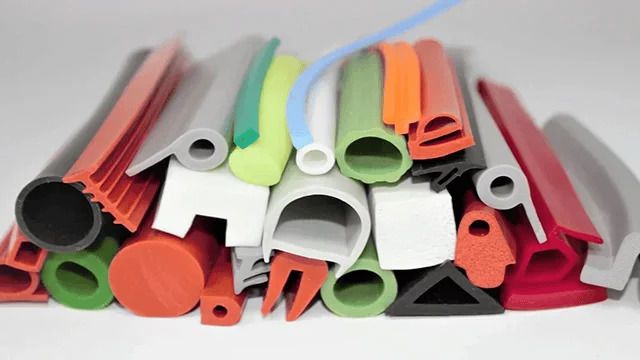
Tech Sharp Contracting & Trading is a Qatar-based company that provides industrial rubber and polyurethane solutions. Its product range includes rubber conveyor belts and rollers, rubber extrusion products, rubber sheets, rubber moulded products, polyurethane products, and rubber lining works.
Conclusion
Industrial rubber conveyor belts are an important part of many material handling systems. Regular inspection, proper alignment, correct tension, cleaning, and timely replacement of damaged components can help improve belt performance and service life.
For businesses operating in demanding industrial environments, choosing the right conveyor belt and following a proper maintenance routine can help reduce unnecessary downtime and maintenance expenses.
If you are looking for industrial rubber conveyor belts and rollers in Qatar, Tech Sharp can provide rubber and polyurethane solutions for different industrial applications.